















ZERO DIRECT-EMISSION INNOVATION
SUSTAINABLE MOBILITY
We give maximum visibility to public transport services, shuttles and integrated mobility solutions designed to help people move around Garda Trentino without a car, benefiTting both guests and residents. At the same time, we work on concrete projects focused on alternative and sustainable mobility, turning vision into structured actions for the territory.


Our positioning as an outdoor destination and the direction we have chosen regarding sustainability require us to go one step further: it is not enough to simply “encourage” people to leave their cars behind — we must make it genuinely possible to move around in a simple, reliable way that is consistent with the quality of the experience.
For this reason, alongside the promotion of soft mobility and the expansion of the cycling network, we also support concrete sustainable mobility actions: on-demand services, urban shuttles, seasonal connections, integration with public transport and pilot initiatives that evolve into long-term projects.
Most importantly, we work to ensure these opportunities are visible and easy to use: on our destination website we present and regularly update available services through dedicated pages covering public transport, shuttles, ferries, lifts and rentals, available to guests, residents and local businesses.
In Valle di Ledro, we worked on a structured project that goes beyond simply managing existing mobility systems.
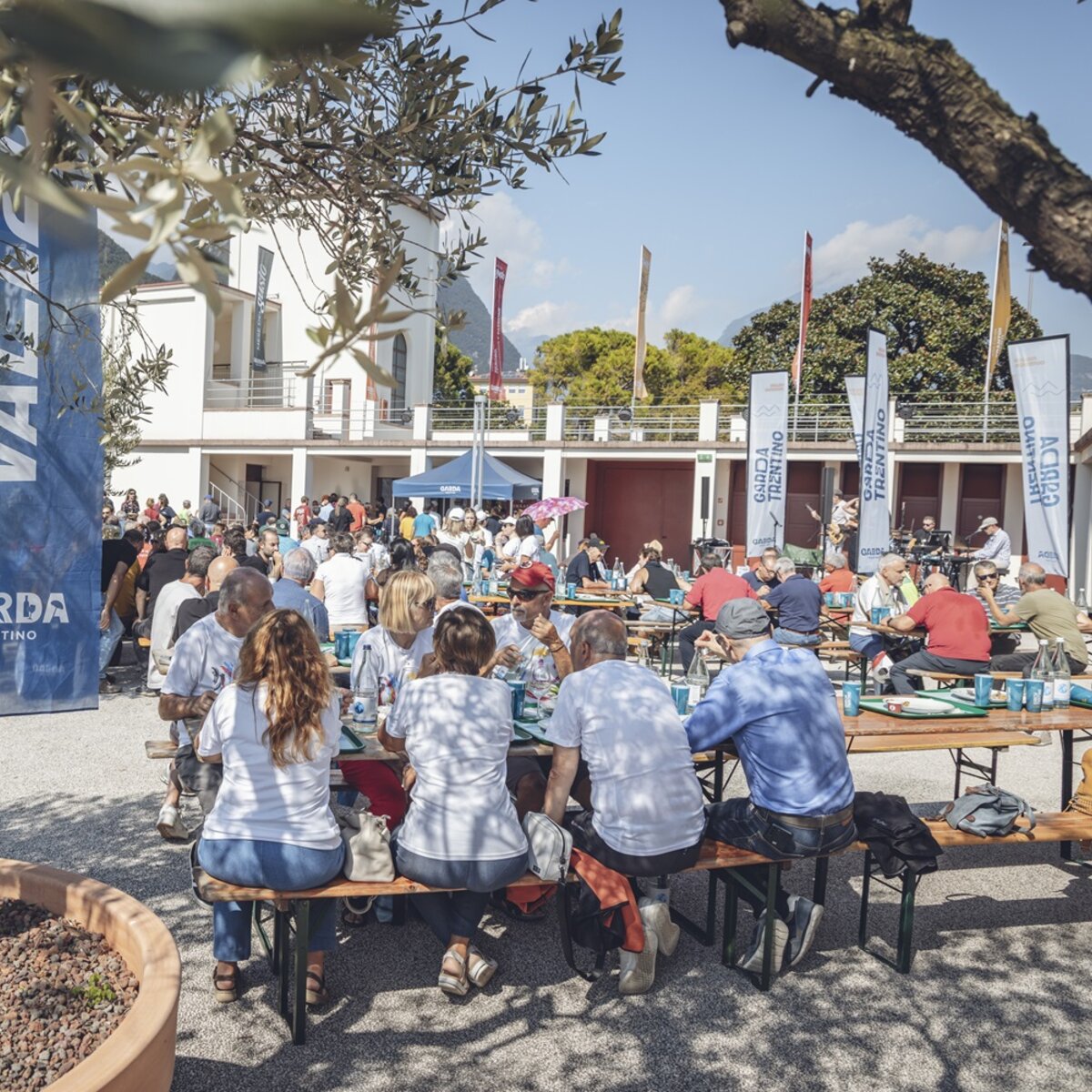
In 2024, together with the Municipality of Ledro, within the framework of the ATA Garda Trentino activities and with the support of specialised consultants, we developed an in-depth analysis process based on data, stakeholder listening, surveys, monitoring activities and pilot initiatives during the Fiera di San Michele.
The process also included an operational pilot during the fair itself, allowing us to test solutions directly in the field and gather useful feedback from residents, operators and visitors. The work led to the development of a Strategic Plan for Sustainable Mobility, formally adopted by the municipal administration and now entering the implementation phase according to the ASI logic – Avoid, Shift, Improve:
➔ Avoid: prevent unnecessary travel and reduce pressure on critical areas;
➔ Shift: encourage the transition towards collective transport and shared services;
➔ Improve: improve the efficiency and impact of available solutions.
For us, this represents a clear example of method: analysis, listening, experimentation and, above all, a shared plan translated into concrete actions for the territory.
