Perché Turismo

Beyond tourism numbers: a new study explores the real contribution of tourism to the economy, employment and quality of life in Garda Trentino, also putting the local community’s perspective at the center.

THE ADDED VALUE OF TOURISM

Number of overnight stays, growth rate compared to previous years, guests’ origin, occupancy rate and average room price: when talking about tourism, these are often the figures used to describe a season’s performance.

Tourism, however, is a much more complex phenomenon. In a destination such as Garda Trentino, it directly involves the people who live and work in the area, influences the organization of services and mobility, impacts the labor market and activates economic supply chains that go far beyond the hospitality sector.

For this reason, in collaboration with TSM – Trentino School of Management and the University of Trento – Department of Economics, we launched a structured research project aimed at measuring the overall value of tourism in Garda Trentino, considering not only its economic effects, but also its social and employment impact.

This is the first analysis of its kind carried out at provincial level.

FIRST PHASE – THE ECONOMIC IMPACT
Research methodology

The first phase of the study focused on measuring the economic impact of tourism through a structured analytical process based on qualified local data sources.

The research included:

Collecting information from different stakeholders across the territory;
Estimating visitor expenditure, divided into spending categories (accommodation, restaurants, services, retail, mobility and other items);
Mapping spending flows to the economic sectors directly involved in the production of goods and services;
Estimating direct, indirect and induced effects on the local economy, including the effects linked to increased income for local operators;
Calculating summary indicators and economic multipliers.

Data processing was based on the input-output matrix developed by Russian economist Wassily Leontief, a well-established tool used to analyze interdependencies among economic sectors.

THE RESULTS

In 2023, total visitor expenditure in Garda Trentino reached €543.4 million, generating an overall production value of €673 million, considering direct, indirect and induced effects.

The production multiplier, equal to 1.24, shows how every euro spent by visitors generates additional value for the entire local economic system.

Beyond its economic dimension, the research also confirms the central role of tourism for the labor market: in 2023, more than 5,700 jobs were generated through direct and indirect employment.

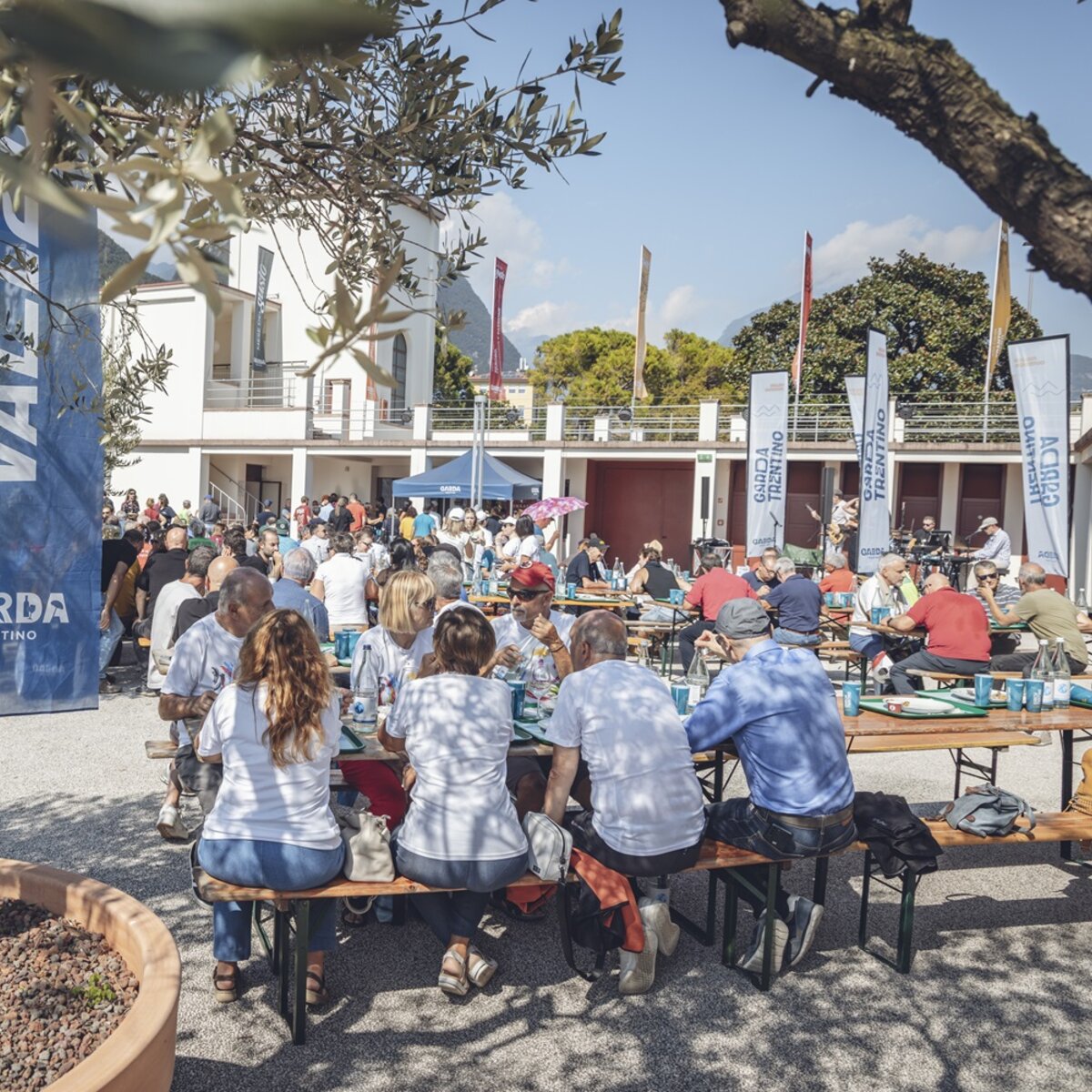
The data relating to the economic impact were presented during the 2024 edition of Garda Tourism Factory.

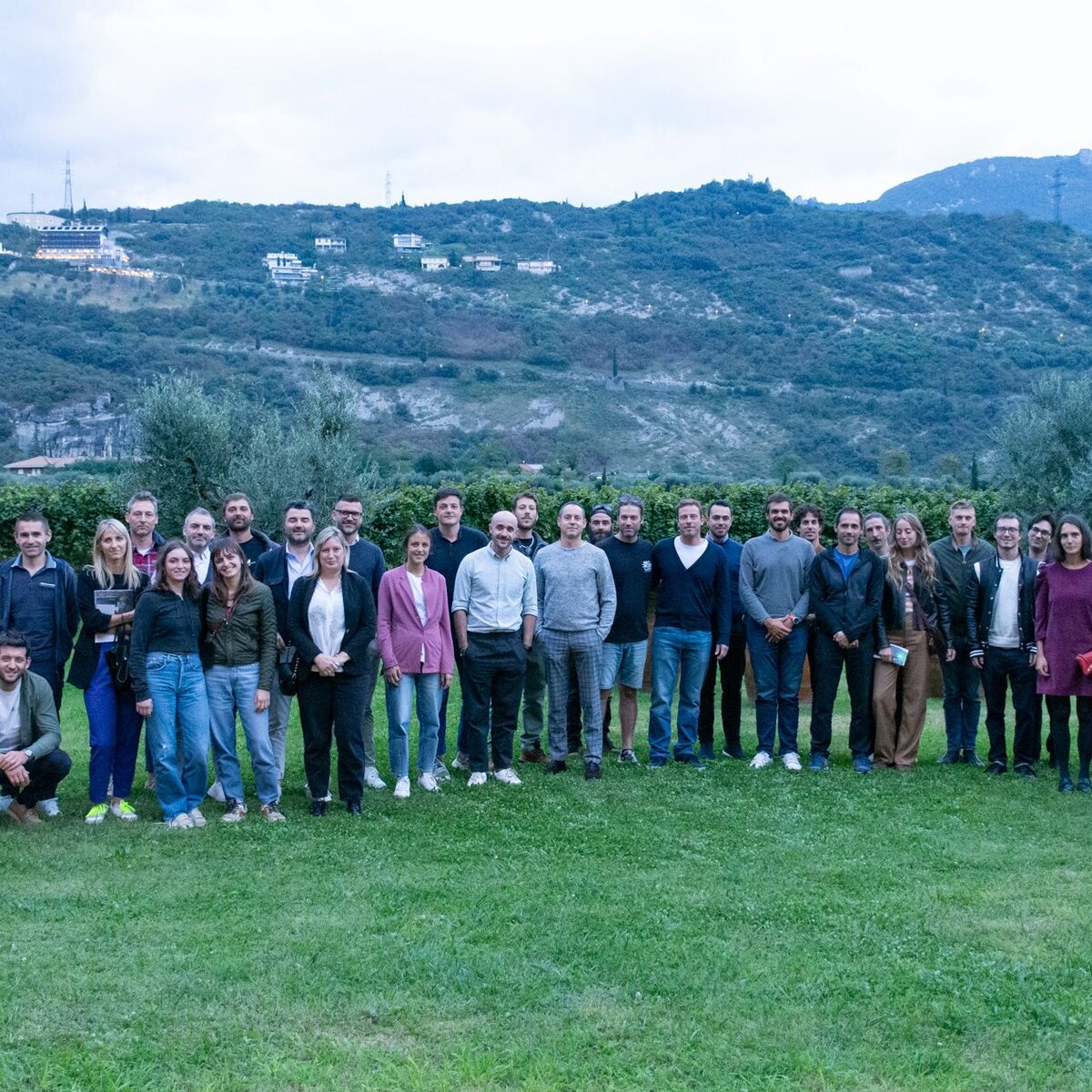
Relive Garda Tourism Factory 2024 – Speciale Perché Turismo

THE ECONOMIC IMPACT OF TOURISM IN GARDA TRENTINO (2023 data)

The numbers behind tourism

543.4
Total visitor expenditure (in millions of €)
673
Economic value generated (in millions of €)
5700
Jobs generated

“Tourism always brings with it a strong transformative force: it is never neutral and it never leaves a place unchanged. For this reason, it is important to avoid oversimplifications and to balance the needs of tourists, visitors and residents, sharing responsibilities among all stakeholders, starting with DMOs, which today can no longer focus solely on promotion. The major issues linked to everyday livability require a balanced management of both benefits and challenges.”

Umberto Martini
ASSOCIATE PROFESSOR – UNIVERSITY OF TRENTO, DEPARTMENT OF ECONOMICS
SECOND PHASE – THE SOCIAL IMPACT
A new focus on the local community

In 2025, the project entered its second phase, with the aim of analyzing tourism not only from an economic perspective, but also in terms of social well-being and quality of life.

The focus shifted to the relationship between tourism and everyday life: the balance between guests and residents, the perception of the territory as a place to live and work, and the role of tourism as either a factor of cohesion or a source of pressure.

Research tools
A methodological innovation

The study, coordinated by the University of Trento and TSM – Trentino School of Management, was structured around two complementary tools:

  1. A general questionnaire, consisting of 30 questions and addressed to a sample of 300 people, aimed at analyzing in depth the benefits and disadvantages of tourism;
  2. Five editions of the “barometer” questionnaire, which collected around 2,400 responses throughout different moments of the year, with the goal of monitoring residents’ sentiment regarding tourism presence. Surveys were carried out during the following weeks: May 12–18, June 16–22, August 18–24, September 29–October 5 and November 3–9, 2025.

The barometer questionnaire was designed to capture residents’ perceptions of the previous week in a direct and immediate way, providing a dynamic reading of community sentiment throughout the tourist season.

A distinctive element of the research was the integration of residents’ responses with mobile phone mobility data, which made it possible to distinguish between overnight guests, day visitors, residents and commuters.

This approach allowed researchers to calculate tourism pressure indicators for each municipality and to observe, week after week, how residents’ satisfaction changed according to visitor flows.

THE RESULTS

The sample outlines the picture of a community strongly rooted in the territory, mainly composed of working-age residents who have lived in Garda Trentino for many years.

The analysis highlights a widespread awareness of tourism’s positive role, perceived as a driver of employment, economic opportunities, infrastructure improvement and enhancement of local heritage.

Data also show that overnight guests do not generally reduce residents’ satisfaction; on the contrary, they represent a positive factor, especially for those whose income is connected to tourism.

A different perception emerges with regard to day visitors: short-term flows, particularly those linked to car traffic, are the main factor contributing to increased discomfort during peak summer periods, especially in lakeside municipalities.

Researchers themselves described this result as “textbook evidence”, since the distinction between the positive impact of overnight guests and the more critical impact of day visitors remained consistent even after introducing several control variables.

The results were presented during the fifth edition of Garda Tourism Factory – Speciale Perché Turismo.

Relive Garda Tourism Factory 2025 - Speciale Perché Turismo

TOURISM AS A COLLECTIVE PROJECT

The research outlines a complex picture: the economic benefits of tourism are evident and widely recognized by the community, but they are not sufficient on their own to offset the challenges linked to peak visitor periods.

What clearly emerges is the need to consider tourism as a true collective project for the territory, where institutions, local communities, businesses and mobility systems work together to manage a successful destination.

An approach that places the balance between economic development, environmental sustainability and quality of life at the center, as an essential condition for the future of Garda Trentino.

Want to discover absolutely everything about the research?
Daniele Tonelli
DESTINATION MANAGEMENT & CORP. COM.
Jobs
Our new partners: